
Getting someone out: $80–$180
Standard Sydney call-out for after-hours attendance. Ask before booking, not after the invoice.
The first thing that happens is not a booking. It is a plumber telling you what to shut off right now, because the minutes before anyone arrives are where most of the damage is either done or prevented.
After-hours work is not the same trade as daytime work. The parts have to be on the van because no supplier is open, the diagnosis has to be right first time because there is no second attendance that night, and the person answering the phone has to be able to tell a genuine emergency from something that is cheaper on Monday.
That last part matters more than it sounds. Telling you a job can safely wait costs us the callout and saves you a premium, and it is the fastest way to know whether the outfit you have rung is worth using again.


Some homes of this vintage still run original galvanised steel water pipe. It corrodes from the inside, so the warning signs arrive gradually: pressure fading over years, rusty water after a holiday, hot flow noticeably worse than cold.
The emergency version is a section finally giving way. Isolating at the meter is the immediate answer, and the longer conversation is whether the run is worth repairing or replacing, which is a daylight decision.
Steep driveways, stairs down to the door, and no clear place to park all cost minutes in daylight and more after dark.
Rain sheets off the ridge’s rocky slopes and steep driveways, overwhelming ageing downpipes and surface drains during heavy weather.
It helps enormously if someone can meet the crew at the street with a light on. And if your property has a hard access point — a locked side gate, a shared drive, a set of steps that is the only way in — tell us on the phone rather than when we arrive. It changes what comes off the van and how.
A yard that floods in every serious downpour is a different problem from one that flooded once in a freak storm. The first is a blocked or undersized line and it will keep happening; the second is weather.
Telling them apart takes a camera on a dry day, not a guess in the rain. If it has happened twice, book the inspection between storms — clearing a surcharging pit at the height of it costs more and tells you less.
One slow basin is a local problem. Toilet, shower and floor waste misbehaving together means the shared line downstream, and on older earthenware that is the usual pattern.
Original 1950s clay lines under Allambie Heights crack and sag with age, snagging paper and waste until the flow stops completely.
It also changes the urgency. A single blocked fixture can wait for morning; a main line with nowhere to go will find the lowest opening in the house, and that is usually a floor waste in the bathroom.
If this is the second or third time, the useful thing you can do at 2am is write down the date. Two or three of them tell a plumber more than any description, because the interval reveals how fast the obstruction rebuilds.
A shortening gap between call-outs is the signal that jetting has stopped being the answer. That is a daylight conversation, not a tonight one, but tonight is when the evidence gets recorded.
If it is happening right now: stay out of moving water, lift what you can off the floor of the garage, and clear any grate you can reach safely from dry ground. Do not lift a surcharging pit lid — the water underneath is moving faster than it looks.
Once the rain stops, the pit that overflowed usually has a reason, and it is rarely the rain. Silt, roots or a collapsed section will do it, and the difference matters because one of those is a clean-out and the others are a repair.
Stop using water anywhere in the house. Every flush, every sink and especially the washing machine adds to whatever is already sitting in the line, and a machine mid-cycle is the single most common way a slow backup becomes a floor to mop.
The eucalypts fringing Manly Warringah War Memorial Park and lining local streets push fine roots into seventy-year-old pipe joints, where they mat into solid blockages.
If there is an overflow gully outside and it is running, that is the system doing its job and keeping it out of the house. Leave it clear and let it work until we arrive.
Standard Sydney call-out for after-hours attendance. Ask before booking, not after the invoice.
Roughly $120–$160 in daylight. Someone is out of bed and on the road, and the rate reflects it.
Where most single-fault after-hours jobs land once attendance, labour and small parts are counted.
Slab leaks, gas line work, anything that means opening a wall overnight. You approve the figure first.
We would rather book you for Monday at daylight rates than take a premium for a job that was never urgent.
These are market ranges, not our quote. You hear your number first and decide with it in front of you. Figures here are indicative of the 2026 Sydney market rather than a quote from us, you get your own number as a fixed price before any work starts.
Before any booking, the person on the phone tells you what to isolate. That call is where most of the damage is either prevented or done.
You are told when someone can actually be there, not a number designed to keep you on the line. If that is ninety minutes, it is ninety minutes.
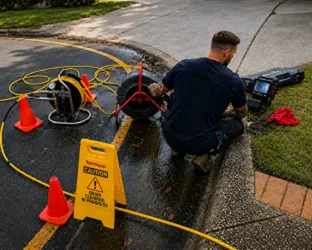
Stop the water, make the area safe, find the cause. Only then does a price get put in front of you, and nothing starts until you have agreed it.

Finished on the night wherever the parts allow. Where they do not, you are left watertight and usable, with the return booked before we leave.
Leave your details and an on-call plumber rings back. You will get instructions on what to isolate before anything else.
Straight answers on rates, timing and when it can safely wait.

Ring us and a plumber picks up. Leave details instead and you will get a callback with an ETA, not a sales call.

Leave your details and our local Allambie Heights team will call you back fast.